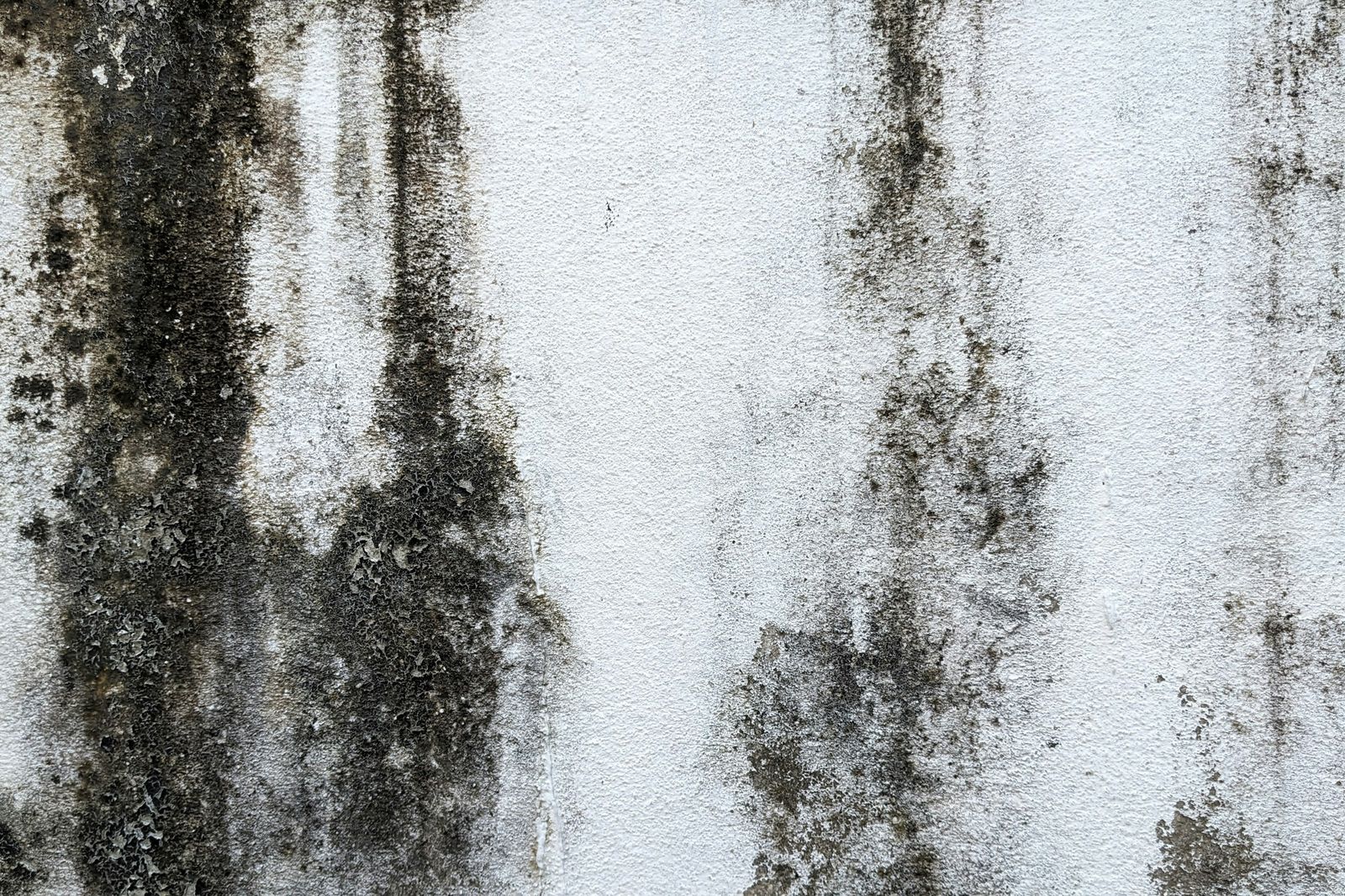
Mold Remediation Companies Serving the Asheville Area
10 local businesses listed
Ten companies that clean up mold around Asheville, working out of Arden, Fletcher, South and West Asheville, Weaverville, and Marshall. Most are restoration firms that also handle the water damage behind the mold, a few carry a job through rebuilding, and two use methods you won’t find everywhere: dry fog and soda blasting.
Filter below by town or by 24/7 emergency service. Below the listings is a guide to starting in the crawl space, what a remediation job involves, what drives the cost, and why a test from someone who isn’t doing the cleanup is worth having. If you only want a test, see mold inspectors in Asheville.
Browse by town
Appalachian Restoration & Cleaning
Appalachian Restoration & Cleaning works out of Mount Carmel Road in West Asheville, handling emergency restoration around the clock. The core services are water and flood damage, smoke and soot remediation, and mold removal, with a commercial cleaning arm covering carpet and hard-surface work. Their process includes documenting the loss and dealing directly with the insurance carrier alongside the property owner, which is the part of a claim most homeowners are least prepared for. The site doesn't list formal industry certifications — worth confirming IICRC credentials directly if that matters for your claim.
- Residential
- Commercial
- 24/7 Emergency
Buchanan Restoration
Buchanan Restoration works out of Hendersonville Road in South Asheville and is the sister company of Buchanan Construction, a local design and build firm. Mold work covers moisture assessment, containment, removal of contaminated materials, and crawl space and attic remediation, followed by repairs and reconstruction. They don't sell the testing themselves: their site says independent testing and post-remediation clearance can be done by a qualified third party, which is the setup we recommend. They're an IICRC Certified Firm with AMRT-certified technicians, and they also handle water, fire, smoke, and storm damage, with 24/7 emergency response and help documenting an insurance claim. Coverage runs from Asheville, Arden, Fletcher, Hendersonville, and Weaverville to Black Mountain and Waynesville, plus the Upstate of South Carolina.
- Residential
- Commercial
- 24/7 Emergency
Dry Pros
Dry Pros is an Asheville company on Dogwood Road that handles the water side of a house and the cleanup that follows it. Their list runs from water extraction and water control systems to mold testing, mold remediation, and crawl space encapsulation, with radon testing on top. They also do carpet, rug, upholstery, hard floor, and duct cleaning for homes and businesses. They describe themselves as licensed, certified, and insured, and they show IICRC certification. Call for an estimate or to schedule testing.
- Residential
- Commercial
First Restoration Services
First Restoration Services works out of Rutledge Road in Fletcher and has been owned by the same family since 1987. They handle the emergency side of home ownership — water damage, flooding, fire and smoke, storm damage, and mold remediation — with IICRC-certified technicians and 24/7 dispatch. Because they also do the reconstruction, one company can take a flooded basement from extraction through to finished drywall rather than handing it off partway. Residential and commercial both, across Asheville, Fletcher, Arden, Hendersonville, and the surrounding Western North Carolina counties. Worth having the number saved before you need it. Water damage is the one job where the response time changes the size of the bill.
- Residential
- Commercial
- 24/7 Emergency
NoMoldWNC
NoMoldWNC is an Asheville mold remediation and air quality testing company working out of Westgate Parkway. Their remediation uses a patented dry fog process rather than tear-out — the fog is designed to reach wall cavities, HVAC systems, and porous materials that conventional cleaning can't get to, and treatment typically finishes in a day. Results are verified with third-party lab testing. They also do air quality testing and inspections, plus commercial disinfection and sterilization work. Service area covers Asheville, Hendersonville, Brevard, Waynesville, Black Mountain, Weaverville, Mills River, and Flat Rock.
- Residential
- Commercial
Precision Restoration Services
Precision Restoration Services is a Weaverville restoration company covering Asheville and Western North Carolina, available 24/7/365 with a stated 60-minute response target. What separates them from a pure emergency-response outfit is that they carry jobs through reconstruction — the mitigation crew and the rebuild crew are the same company, so a homeowner isn't handed off to a general contractor once the water is out. Services cover water damage, fire and smoke, and mold removal and remediation. The firm is IICRC-certified and A+ rated with the BBB. Employees are background-checked and insured, and subcontractors are vetted.
- Residential
- Commercial
- 24/7 Emergency
Restoration Carolina
Restoration Carolina is an Arden restoration company on Bradley Branch Road with a 24/7 emergency response team. They handle water damage from broken pipes, roof leaks, and storms, mold removal, fire and smoke restoration, and trauma and biohazard cleanup. Because they hold an unlimited general contracting license, they can also carry a job through repairs and reconstruction instead of handing it off. The team describes more than 20 years of hands-on experience, with IICRC certification and OSHA HAZWOPER-certified technicians.
- Residential
- Commercial
- 24/7 Emergency
Secure Restoration
Secure Restoration has worked out of Sweeten Creek Road in Arden since 2012, covering Asheville, Hendersonville, Brevard, Black Mountain, Candler, Canton, Waynesville, Sylva, Marion, and Burnsville. The work is restoration from start to finish: water and fire damage, mold testing and remediation, sewage and biohazard cleanup, plus crawl space encapsulation and basement waterproofing to deal with the moisture that started the problem. Emergency service runs 24/7, with a stated 60-minute response time. They're IICRC certified and hold a North Carolina general contractor license (#103272). The company is also licensed in South Carolina, Alabama, and Florida and takes work across the Southeast, so ask whether a local crew will handle your job.
- Residential
- Commercial
- 24/7 Emergency
Warren Restoration
Warren Restoration is a family-owned restoration company on Legend Drive in Arden, serving Asheville and Western North Carolina for more than 10 years. They cover the full range of property damage work — water, fire, storm, smoke and odor, mold, sewage, and frozen pipes — plus board-up service and the jobs most companies don't advertise, biohazard and hoarding cleanup. Emergency response is 24/7/365 with a 30-minute target where possible. The company is licensed, bonded, and insured, and belongs to the Restoration Industry Association, the Asheville Home Builders Association, and the Asheville Chamber of Commerce.
- Residential
- Commercial
- 24/7 Emergency
WNC Soda Blast
WNC Soda Blast is a Marshall company that cleans surfaces by blasting them with baking soda, and mold remediation is one of the main things they use it for. Soda is softer than sand, so it can strip mold staining and growth from framing and other surfaces without chewing up the wood underneath. They also use it for fire and smoke damage, paint removal on homes and vehicles, and commercial and industrial cleaning, along with traditional sand and media blasting. They work across Western North Carolina, with weekend jobs by appointment.
- Residential
- Commercial
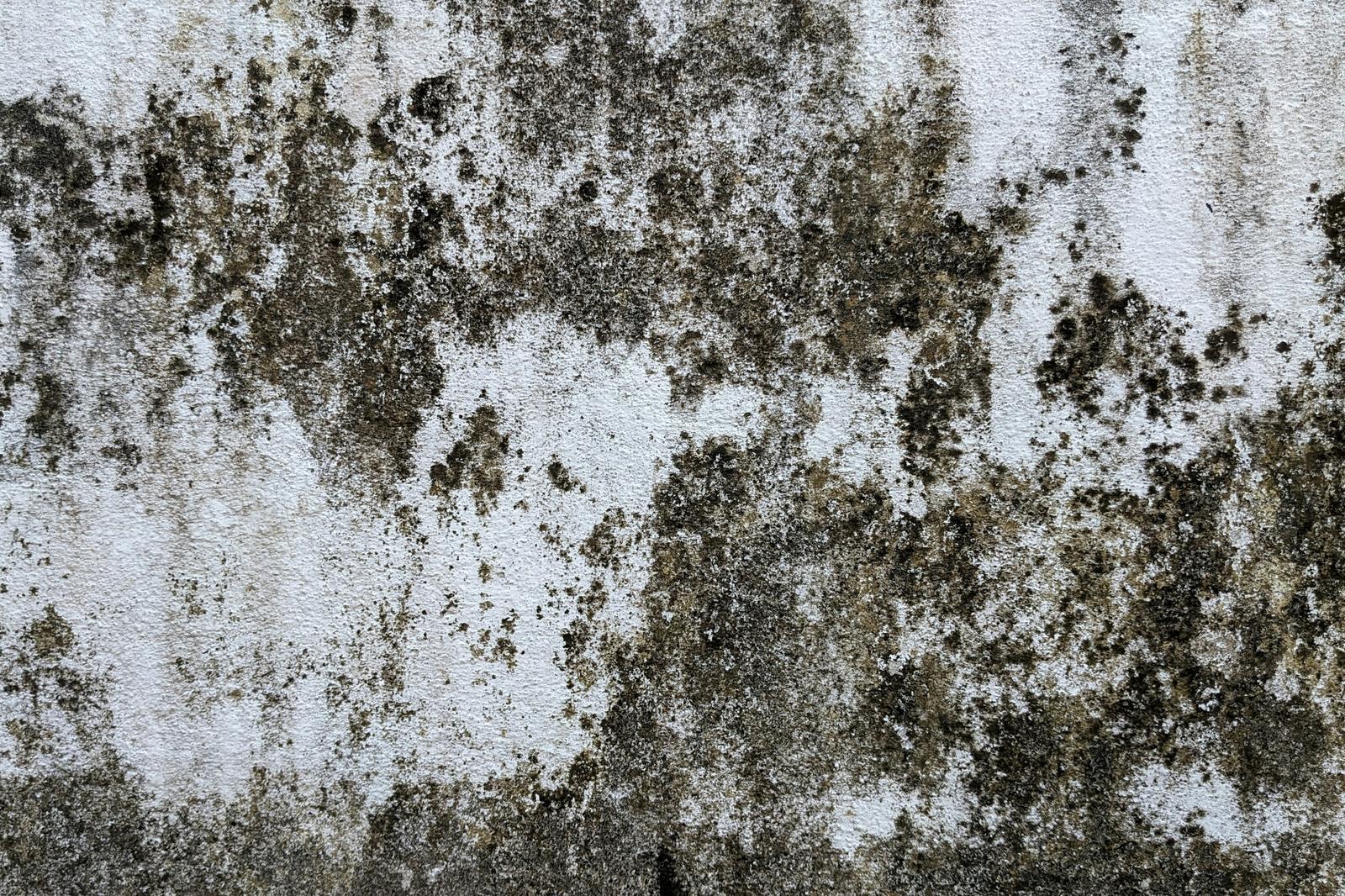
Mold around Asheville almost always starts the same way: water that stayed somewhere too long. A crawl space that never dries out, a slow leak behind a wall, a bathroom with no working fan, or a flood that got mopped up but not dried. This page is for when you’ve found it and need it gone. If you only want a test, start with mold inspectors.
Start in the crawl space
If your house has a crawl space, look there first. A lot of the mold calls around here start under the floor, not in it.
Older houses in Asheville often sit over vented crawl spaces with a dirt floor and, on a sloped lot, water running toward them every time it rains. Moist air comes up off the ground, the floor framing stays damp, and mold grows on the joists and subfloor. Some of that air moves up into the house, which is why a musty smell in a back bedroom can come from underneath it.
Cleaning the wood is only half the job. The other half is keeping it dry: a sealed vapor barrier over the ground, gutters and drainage that carry water away from the foundation, and, in many houses, a sealed crawl space with a dehumidifier instead of open vents. Several companies on this page do encapsulation themselves. If yours doesn’t, ask who they’d send for the waterproofing or insulation side.
Testing or remediation: who should do what
Here’s the part most people don’t expect: if you can see the mold, you usually don’t need a test to know you have a problem. The EPA’s guidance is that “in most cases, if visible mold growth is present, sampling is unnecessary.” The job is the same either way. Find the water, fix it, and clean up the growth.
Testing earns its keep in three situations:
- You smell mold but can’t find it. Air sampling and a moisture investigation can point to where it’s hiding.
- You want proof the cleanup worked. A clearance test after remediation is the closest thing to a receipt.
- You’re buying a house. A crawl space flagged as damp in a home inspection is worth a closer look before closing.
For that second and third check, it helps to use someone who isn’t selling the cleanup. When the company that diagnoses the problem also quotes the fix, the incentives point one way. Mueller Environmental and Quality Home Consultants, listed on our mold inspectors page, test only. A few companies on this page, like NoMoldWNC and First Restoration, do both, which is convenient. If you go that route, an independent clearance test afterward costs little next to the job.
We asked John Mueller, PE, president of Mueller Environmental in Candler and a licensed engineer and home inspector, when a professional test is worth paying for:
“It’s never a bad idea to get professional help when you have mold concerns in your home or work environment, however, cost is a consideration for most folks. Priority situations that warrant professional mold inspection and testing services include the following:
- Extensive visible suspected mold growth on living area surfaces
- Known water damage events that were not promptly and properly addressed
- Known sensitivity to molds
- Mystery odors and illnesses
- Real estate transactions
- Employee or tenant concerns“
Note the first item on his list. You don’t need a test to prove that mold you can see is there, but when there’s a lot of it in the living space, an independent assessment tells you how far it goes before anyone writes a remediation quote.
What a remediation job involves
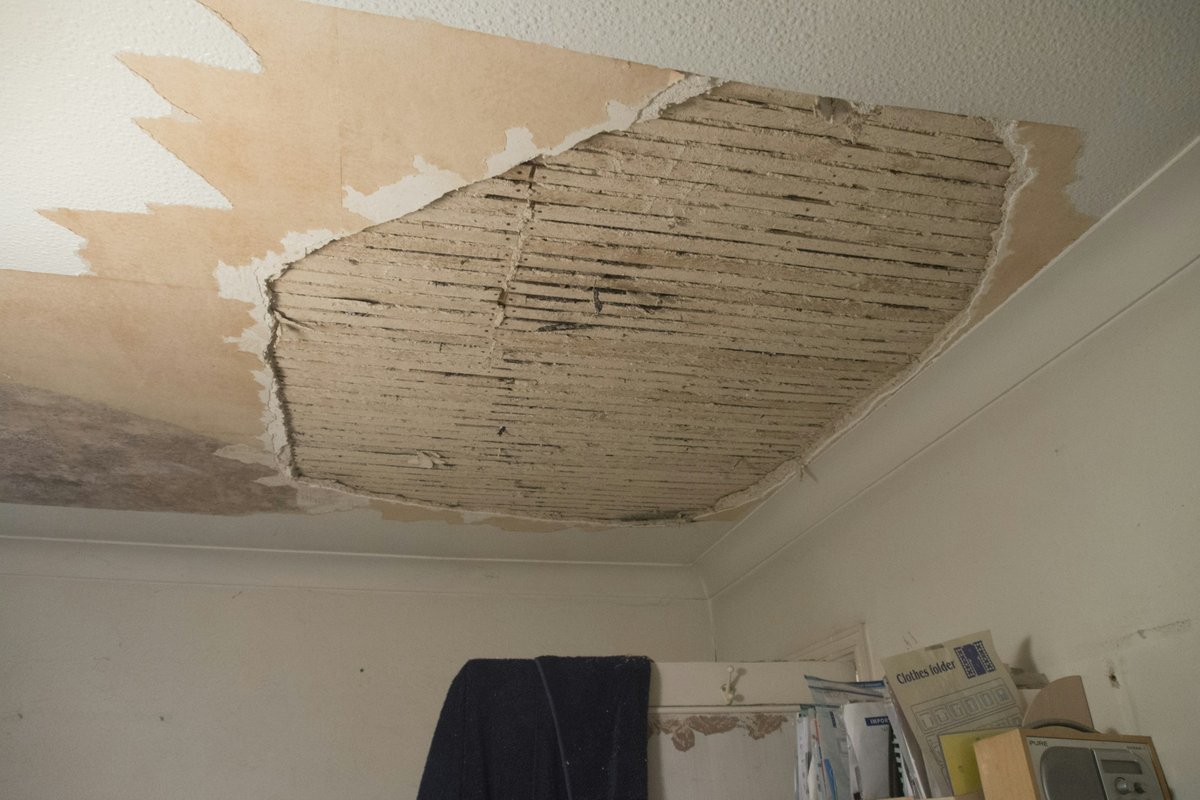
A proper job follows the same basic order, whoever does it:
- Find and stop the water. If the source isn’t fixed, nothing else lasts.
- Contain the area. Plastic sheeting and negative air pressure keep spores from spreading through the house while the work happens.
- Remove what can’t be cleaned. Drywall, insulation, and carpet with growth in them usually come out. Framing and other solid wood can usually be cleaned.
- Clean what stays. HEPA vacuuming and scrubbing, and on some jobs a blasting method that strips growth from the wood.
- Dry everything. Fans and dehumidifiers until the materials are back to normal moisture levels.
- Check the result. A visual inspection at minimum, and ideally a clearance test.
- Put it back. Some companies rebuild themselves, and others hand that off.
Two companies here use methods worth knowing about. NoMoldWNC treats with a dry fog that’s meant to reach wall cavities and the air as well as surfaces, usually in a single visit, and re-samples the same spots through an outside lab afterward. WNC Soda Blast in Marshall blasts surfaces with baking soda, which strips mold staining from framing without chewing up the wood the way sand would. Neither replaces fixing the water. Ask any company which method they’d use on your job and why.
What remediation costs, and why it varies
Few companies publish prices for mold work, because two jobs that sound the same can be very different once someone looks. What drives the number:
- How much area is affected, and whether it’s one wall or a whole crawl space.
- How hard it is to reach. A walk-in basement and a crawl space with eighteen inches of clearance aren’t priced the same.
- What has to be removed rather than cleaned, and what has to be rebuilt afterward.
- Whether the moisture fix is included, like a vapor barrier, encapsulation, drainage, or a plumbing repair.
- Whether a clearance test is included, and who does it.
Get two written quotes that spell out each of those. If one is far lower, it’s usually because it leaves something out, often the moisture fix or the rebuild.
Mold after Helene
Hurricane Helene put water into thousands of houses across Western North Carolina in September 2024. Many were pumped out, mucked out, and dried as fast as anyone could manage at the time, with every crew in the region stretched thin. Some of those houses are still turning up mold in places nobody opened up: inside wall cavities, under flooring, and in crawl spaces that looked dry from the access door.
If your house took on water and the hidden areas were never checked, it’s worth having someone look, especially before you sell. Keep your photos, repair invoices, and any insurance correspondence together. They matter if the mold turns into a claim.
Small jobs you can handle yourself
Not every patch needs a contractor. The EPA’s guide to mold and moisture at home says that if the moldy area is less than about 10 square feet, you can usually handle it yourself. Scrub hard surfaces with detergent and water, wear gloves, eye protection, and a mask, and dry the area completely. The same guide recommends drying anything water-damaged within 24 to 48 hours and keeping indoor humidity below 60 percent.
Call a professional when the patch is bigger than that, when it’s in the HVAC system, when it follows a flood or sewage backup, or when you’ve cleaned it before and it came back.
Before you hire
North Carolina doesn’t have a separate license for mold remediation. A job of 40,000 dollars or more needs a licensed general contractor (our NC general contractor license guide explains that line), and that can happen when remediation turns into rebuilding. For most jobs, these matter more:
- Experience and references. Ask how many mold jobs like yours they’ve done, and ask for a couple of recent customers.
- Training. Several companies here are IICRC certified, which is the restoration industry’s main training body.
- A written scope. The area, the containment, what comes out, the method, the drying, and the clearance check.
- Who fixes the water. If it isn’t them, get the name of who it will be.
- Insurance. Ask for a certificate before work starts.
The companies on this page
Arden and Fletcher
Warren Restoration, family-owned on Legend Drive in Arden. Water, fire, storm, and mold work, crawl space encapsulation, and 24/7 emergency response.
First Restoration Services, Fletcher, family-owned since 1987. Mold inspection and remediation, water and fire damage, and reconstruction, so one company can take a job from cleanup to finished walls. 24/7.
Secure Restoration, Sweeten Creek Road in Arden since 2012. Mold testing and remediation, crawl space encapsulation, basement waterproofing, and water and fire damage. IICRC certified, 24/7.
Restoration Carolina, Bradley Branch Road in Arden. Mold removal, water, fire, and biohazard work, with an unlimited general contracting license for the rebuild. IICRC certified, 24/7.
Asheville
Buchanan Restoration, Hendersonville Road in South Asheville, the sister company of Buchanan Construction. Mold remediation in crawl spaces and attics, then the repairs, with testing and clearance left to an independent third party. IICRC certified, 24/7.
NoMoldWNC, which treats with a patented dry fog in a single visit and confirms results with outside lab testing. Also does air quality testing.
Appalachian Restoration & Cleaning, Mount Carmel Road in West Asheville. Mold removal, water and smoke damage, and help dealing with the insurance carrier. 24/7.
Dry Pros, Dogwood Road. Water extraction, mold testing and remediation, crawl space encapsulation, and radon testing, plus carpet and duct cleaning.
Weaverville
Precision Restoration Services, Old Mars Hill Highway, working since 2000. Mold remediation, water, fire, and smoke damage, with the same company handling the rebuild. IICRC certified, 24/7.
Marshall
WNC Soda Blast, which uses soda blasting to strip mold from framing and other surfaces, along with fire and smoke cleanup.
How companies get listed here
Nearly every business on this page is independent and based in Western North Carolina. One, Secure Restoration in Arden, is also licensed in South Carolina, Alabama, and Florida and takes work across the Southeast. We generally leave out national franchises and chains, not because they can’t clean up mold, but because there are already plenty of places to find them.
Listings are free. Businesses can claim a listing to keep their details current, and a few pay for a featured slot, which moves them up the page and is labeled wherever it appears. Nothing else about the order is for sale. We don’t sell your contact information or charge these companies per lead.
When you’re ready, get two quotes and ask each company the same three things: what’s causing the moisture, what they’ll remove versus clean, and how they’ll prove the job worked. If you want that proof from someone with nothing to sell, start with mold inspectors. If the water came from a flood or a burst pipe, water damage restoration is the place to start.
Frequently asked questions
Do I need a mold test before remediation?
Usually not, if you can already see the mold. The EPA's guidance is that sampling is unnecessary in most cases when growth is visible, because the job is the same either way: find the water, fix it, and clean up the mold. Testing earns its keep when you smell mold but can't find it, when you want to know whether a cleanup actually worked, or when you're buying a house. For that last check, an inspector who doesn't sell remediation is the cleanest choice.
Can I clean up mold myself?
For a small patch, often yes. The EPA says that if the moldy area is less than about 10 square feet, roughly a three-foot-by-three-foot patch, you can usually handle it yourself. Wear gloves, eye protection, and a mask, scrub hard surfaces with detergent and water, and dry everything. Anything larger, anything in the HVAC system, anything after flooding, or anything that keeps coming back is worth a professional.
Why does mold keep coming back after it's cleaned?
Because the water is still there. Mold grows where moisture stays, so if the leak, the wet crawl space, or the humidity problem isn't fixed, the growth returns to the same spot. A remediation quote should say what's causing the moisture and who is fixing it, whether that's the same company, a plumber, a roofer, or a waterproofing contractor.
What does mold remediation cost in Asheville?
It depends on how much area is affected, how hard it is to reach, what has to be removed rather than cleaned, and whether the water problem gets fixed as part of the job. A small, open patch and a whole crawl space under a low floor are very different jobs. Get two written quotes that list the area, the method, what's being removed, and whether a clearance test is included.
Is mold in a crawl space a problem?
It can be. A damp crawl space can grow mold on the floor framing, and air from the crawl space moves up into the house. The fix is usually moisture control as much as cleanup: a vapor barrier on the ground, drainage that keeps water out, and in many houses a sealed and dehumidified crawl space instead of an open vented one.
Is a license required for mold remediation in North Carolina?
North Carolina doesn't have a separate license for mold remediation the way some states do. Jobs that reach 40,000 dollars or more need a licensed general contractor, which can happen when remediation turns into rebuilding. For most jobs, ask about experience, references, IICRC training, insurance, and a written scope instead.
Are there still mold problems from Hurricane Helene?
Yes. Houses that flooded or took on water in September 2024 can still turn up mold, especially in wall cavities, under floors, and in crawl spaces that seemed dry at the time. If your house had water in it and you never had the hidden areas checked, it's worth having someone look, and worth keeping your flood and repair records together for any claim.